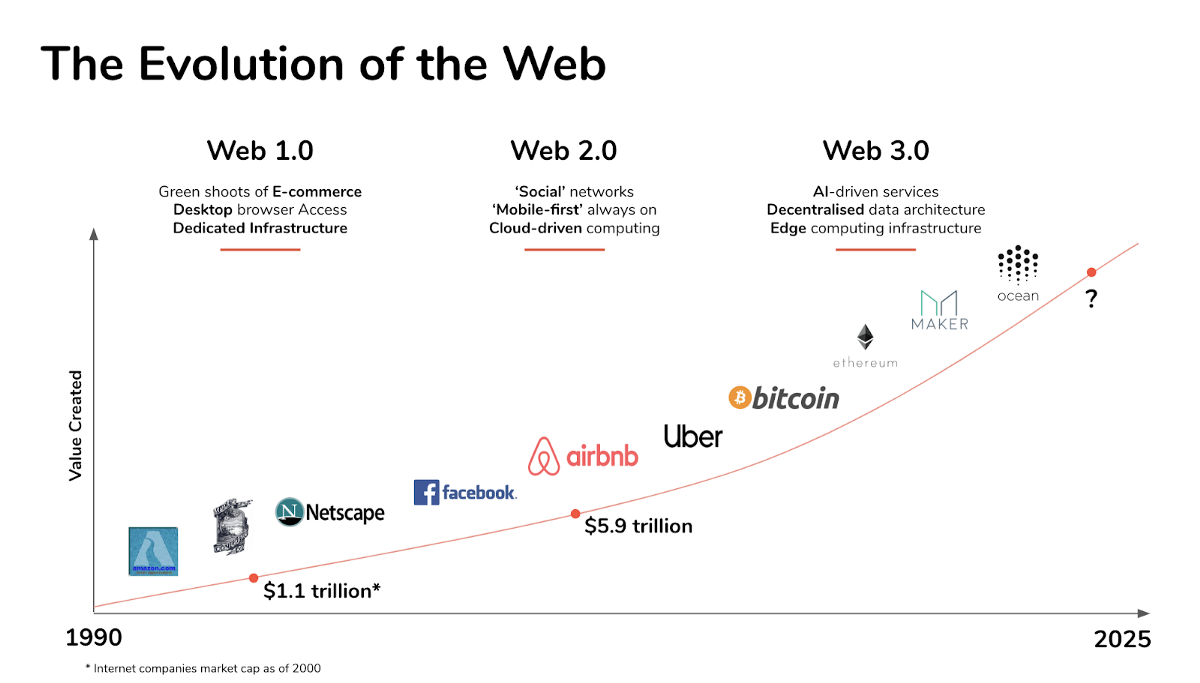
If this has been your question then, YES! it will. The decentralised web, or DWeb, could be a chance to take control of our data back from the big tech firms. So how does it work and when will it be here?
As discussed in our previous blog post on Filecoin, Web 3.0 Data Storage and all-new investment opportunities, we would also like to introduce IPFS.
What is IPFS?
IPFS (Interplanetary File System) is a protocol and peer-to-peer network for storing and sharing data in a distributed
file system. IPFS allows users to not only receive but host content, in a similar manner to BitTorrent, as opposed to a centrally located server. IPFS is built around a decentralised system of user-operators who hold a portion of the overall data, creating a resilient and reliable system of file storage and sharing.

IPFS reengineers the web to work peer to peer, addressing data by what it is instead of where it’s located. In doing so, IPFS powers a resilient and scalable network, offering even greater performance and reliability to meet the increasing demands on the web today, as well as into the future.
This would by default eradicate DDOS attacks and the compromising of web-based business’ period! Saving billions of dollars for companies currently exposed to such incidents. IPFS has already been widely adopted and is commonly referred to as the decentralised replacement for the current HTTP internet model.
WEB 3.0 IPFS has grown to support an array of different use cases and is improving information management for industries across the spectrum: from disintermediating the music industry to unblocking weather risk protection for agribusiness.
Watch this short video for some user studies on how organisations have adopted IPFS to store historic data.
For IPFS to ultimately replace HTTP, it will need a scalable storage solution. Filecoin is that solution!
What is Filecoin? What is the relationship with IPFS?
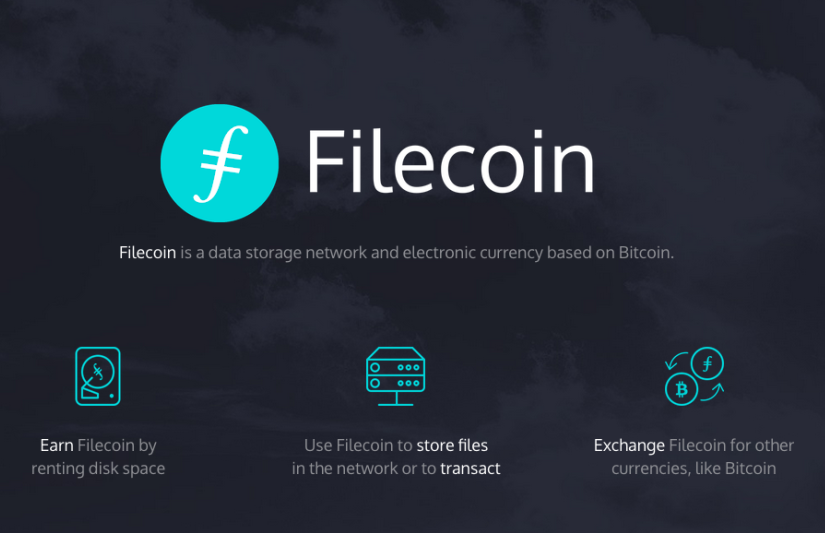
Simply put, in order for IPFS to succeed in its mission to replace HTTP, it needs storage and lots of it. This is what Filecoin was created for, to be the storage mechanism to store all of the data created on IPFS and with the further ambition to provide decentralised storage for all web 3.0 applications.
How does Filecoin work?
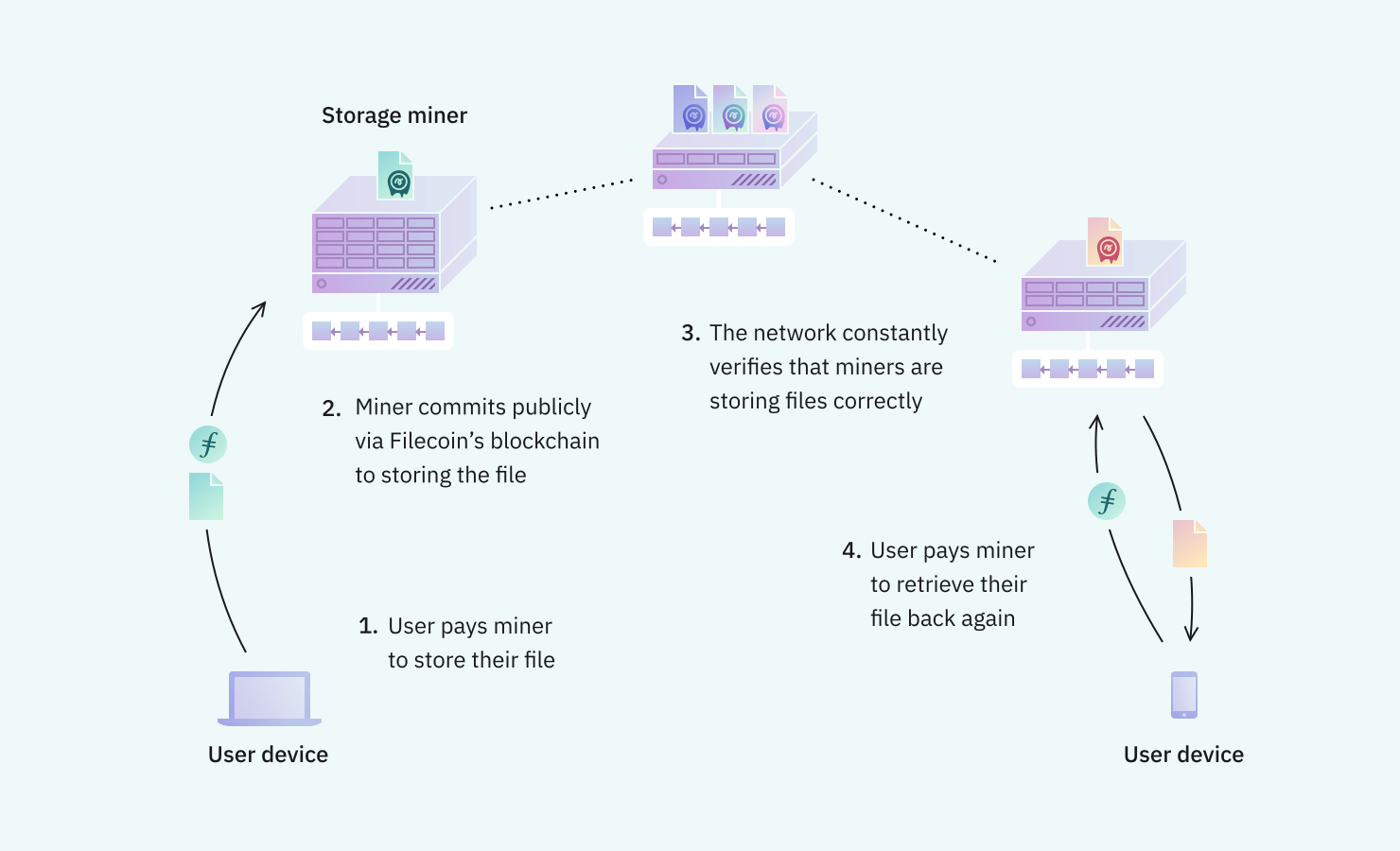
The File Coin network allows anyone with any storage hardware and an internet connection to generate revenue by renting out this storage across the network, these are referred to as “miners”. However, unlike traditional blockchain custom, miners in the Filecoin network aren’t rewarded FIL for substantiating a block’s proof of work. Rather, miners in the Filecoin network have hardware with internet connections and available storage for clients to rent. On the basis of a successful deal, storage providers are rewarded with FIL for supplying storage to the network.

The users, however, are the companies, or individuals in the market that are looking to rent storage from the storage providers that have joined the Filecoin network
Good to note that, The idea to store valuable information on someone else’s computer may seem risky at first, but apart from the usual decentralised security features, IPFS and FileCoin have many layers of security that really makes it near impossible for anyone to access the files stored, one of those features, for example, is that the user has the ability to choose to break down the data files into fragments and then replicate those files as many times as they require before storing.
So, even in the unlikely event that a miner is compromised the attackers would never have access to a complete file they will only see meaningless pieces of data.
How the network operates.
As mentioned earlier, IPFS enables users to share and store verifiable data through a distributed file system. The IPFS network does not have a built-in incentivisation mechanism. Filecoin incentivises nodes to take part in long term storage of verifiable information. It does this by creating a marketplace for decentralised storage!
Even though users do not actually need to use Filecoin to access data stored in the IPFS network, all Filecoin nodes are also IPFS nodes. These two protocols are in fact independent, but also complement one another and this will provide a much more efficient environment and long term stability.
Was this helpful? Get in touch with a Tech Specialist to learn more and invest today for FREE.