How cost-effective are Blockchain Transactions as compared to Banks & other Traditional methods?
Perhaps the most profound thing about blockchain and Bitcoin is the ability for anyone, regardless of ethnicity, gender, or cultural background, to use it. According to the world bank, there are nearly 2 billion adults that do not have bank accounts or any means of storing their money or wealth. Nearly all of these individuals live in developing countries where the economy is in its infancy and entirely dependent on cash.
These people often earn little money that is paid in physical cash. They then need to store this physical cash in hidden locations in their homes or places of living leaving them subject to robbery or unnecessary violence. Keys to a bitcoin wallet can be stored on a piece of paper, a cheap cell phone, or even memorized if necessary.
For most people, it is likely that these options are more easily hidden than a small pile of cash under a mattress. Blockchains of the future are also looking for solutions to not only be a unit of account for wealth storage, but also to store medical records, property rights, and a variety of other legal contracts.
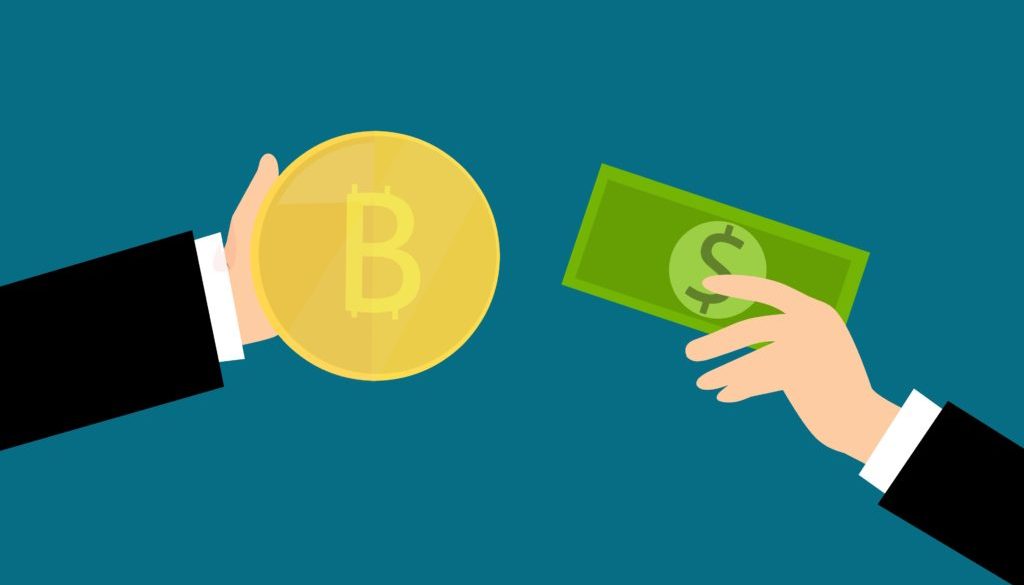
Typically, consumers pay a bank to verify a transaction, a notary to sign a document, or a minister to perform a marriage. Blockchain eliminates the need for third-party verification and, with it, their associated costs.
Business owners incur a small fee whenever they accept payments using credit cards, for example, because banks and payment processing companies have to process those transactions. Bitcoin, on the other hand, does not have a central authority and has limited transaction fees.
Get started with one of our High-yield Financial Technology Investment Opportunity today!